
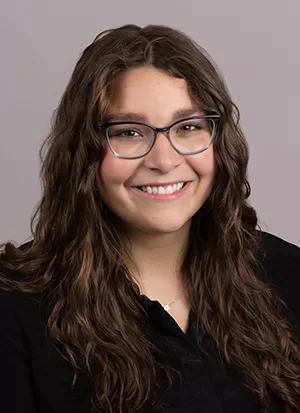
By Olivia Anwiler, Peoples Bank Mortgage Loan Representative
Buying a home is one of the most exciting milestones in life, but it can also feel overwhelming, especially if it’s your first time navigating the process. From interest rates and down payments to loan options and closing costs, there’s a lot of information to absorb.
At Peoples Bank, our loan officers guide homebuyers through this journey every day. While every situation is unique, there are a few key points we wish every buyer understood before beginning the home-financing process.
Your Interest Rate Is Unique to You
One of the most common misconceptions about mortgages is that everyone qualifies for the same interest rate. In reality, your rate is personalized based on several factors, including:
- Loan-to-Value (LTV): How much you’re borrowing compared to the home’s value
- Credit score and credit history
- Property type and occupancy
Because of these factors, the rate you qualify for may be different from a friend, family member, or even the rate you see advertised online.
When comparing lenders, it’s important not to focus solely on the lowest advertised rate. Instead, consider the overall cost of the loan, the available financing options, and the level of service and support you’ll receive throughout the process.
It’s also important to know that you often have choices when it comes to pricing your loan. You may be able to:
- Pay discount points at closing to secure a lower interest rate
- Accept a slightly higher rate in exchange for lender credits that help reduce closing costs
Neither option is universally better; it depends on your financial goals. Some buyers prefer lower monthly payments over the long term, while others want to minimize their upfront closing expenses when purchasing the home.
Think of Mortgage Qualification Like a Three-Legged Stool
A helpful way to understand mortgage approval is to think of it as a three-legged stool. Each leg represents a key factor lenders evaluate:
1. Credit Score
Your credit score provides insight into your borrowing history and financial responsibility.
While loan programs vary, a higher credit score typically opens the door to more financing options and potentially more favorable terms.
2. Debt-to-Income Ratio (DTI)
Your DTI compares your monthly debt obligations to your gross monthly income.
Many lenders prefer a DTI of 43% or less, although some loan programs may allow ratios up to 49% depending on the borrower’s overall financial profile.
3. Loan-to-Value (LTV)
LTV measures how much you’re borrowing relative to the value of the home. The more money you put down, the lower your LTV becomes.
Today’s homebuyers may be surprised to learn that you don’t necessarily need a 20% down payment to purchase a home.
Common minimum down payment options include:
- As little as 3% down for qualified first-time homebuyers using certain conventional loan programs
- 3.5% down with FHA loans
- 5% down for many conventional loan options
These three factors work together. Strength in one area can sometimes help offset weakness in another, but lenders evaluate the complete picture when determining eligibility and loan terms.
Plan for More Than Just the Down Payment
Many prospective buyers spend years saving for a down payment, only to discover there are additional costs involved in purchasing a home.
These can include:
- Closing costs such as appraisal and credit fees, title fees, and recording fees
- Prepaid homeowners insurance
- Property tax escrows and other prepaid expenses
The good news is that there are several ways buyers can reduce their out-of-pocket costs at closing.
Options can include:
- Accepting a slightly higher interest rate in exchange for lender credits
- Negotiating seller-paid closing costs with the help of your real estate agent
- Taking advantage of lender incentives, relationship pricing, or special programs
At Peoples Bank, we currently offer $800 in lender credits for customers who have an account with us and enroll in automatic mortgage payments at closing. Programs like these can help make homeownership more accessible and affordable.
Choose a Loan Officer You Trust
While mortgage financing involves numbers, calculations, and paperwork, the experience is ultimately about people.
The right loan officer does more than help you complete an application; they serve as a guide throughout the entire process.
A trusted loan officer will:
- Help you understand your options clearly
- Recommend solutions that align with your financial goals
- Communicate in a way that fits your preferences and timeline
- Keep you informed from application through closing
Buying a home is one of the largest financial decisions most people will ever make. Having an experienced advocate in your corner can make the process significantly less stressful and more rewarding.
Homeownership Is More Attainable Than You May Think
Homeownership remains one of the most powerful ways families build long-term financial stability and wealth. Over time, as you pay down your mortgage and property values potentially increase, you build equity in your home, an asset that can contribute significantly to your financial future.
The path to homeownership may feel complex at first, but you don’t have to navigate it alone. Understanding how interest rates work, preparing for all homebuying costs, and partnering with a trusted loan officer can help you move forward with confidence.
At Peoples Bank, we’re committed to helping you find the mortgage solution that best fits your needs, goals, and budget, because buying a home should be a rewarding experience.
Ready to take the next step? I’d love to connect with you to explore your options and start your homeownership journey with confidence. Contact me at olivia.anwiler@peoplesbank-wa.com or call me at 360-318-2709. If you’d rather apply online, you can do so here.